
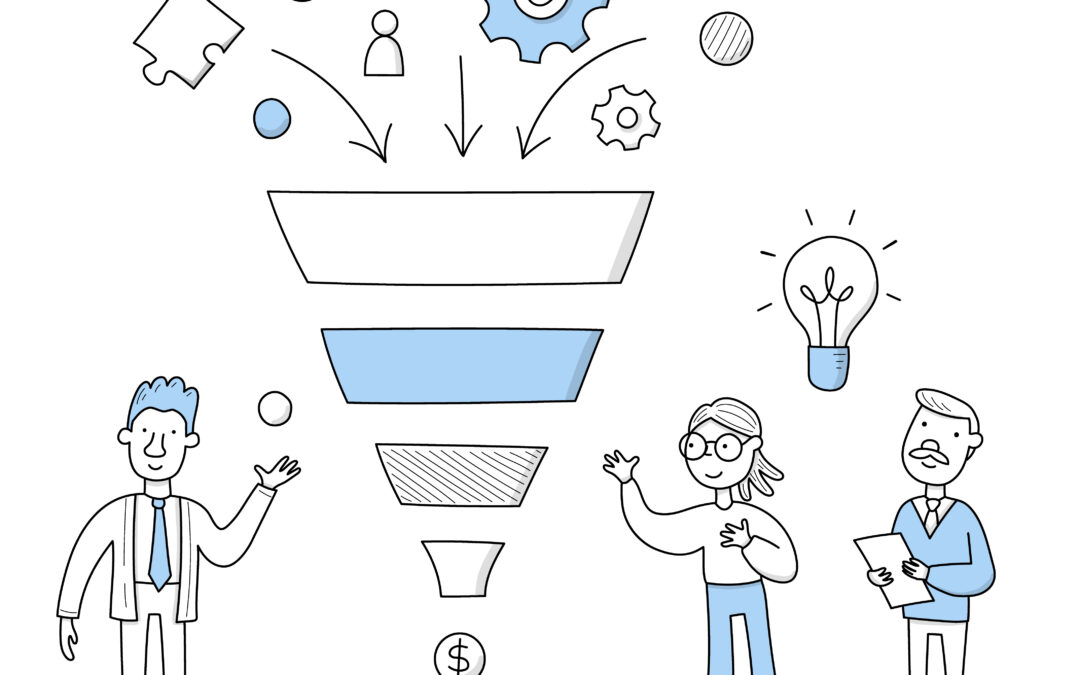
Understanding the E-Commerce Funnel: The Real Journey Buyers Take
“site, and buy.”
But it doesn’t actually work that way.
Real buyers don’t move along a straight line; they move through a series of psychological stages. They discover you, learn about you, compare you, trust you, and then buy from you.
That invisible journey is your E-commerce funnel.
Those that get this will grow consistently, while those who don’t will burn cash on ads and struggle for conversions.
The guide below shows you how to build a complete, high-performing funnel that will attract the right audience, nurture interest, and turn visitors into long-term customers.
Understanding the Funnel Mindset
Before we dive into the technical setup, it’s important to understand why funnels matter.
The average customer goes through several emotions before making a purchase: curiosity, interest, evaluation, doubt, excitement, and trust. That journey breaks if your content and communication don’t address each stage.
A funnel simply ensures every step is intentional, predictable, and data-driven — from first impression to final purchase. It eliminates the guesswork and creates a path that guides the customer from “I don’t know this brand” to “I love this brand.”
Top of the Funnel (TOFU): Awareness & Attention
This is where people see you for the very first time. They don’t know who you are yet, so your objective is simple: to get noticed.
Awareness content should be light, relatable, and scroll-stopping. You’re not selling yet; you’re introducing yourself. Think of this stage as opening the door rather than pushing someone inside. The moment brands try to sell too early, people tune them out immediately.
Content that works well here:
- Paid ads
- Short-form videos, reels, UGC snippets
- Memes
- Problem-awareness videos
- Lifestyle content
Your objective is not conversion; it’s just to plant a seed in the customer’s mind.
Middle of the Funnel (MOFU): Interest & Consideration
Once people know you exist, they need to understand why your product even matters.
This is where real education happens: customers compare you to competitors, check reviews, and decide whether your brand fits their needs.
At this level, the content should go deeper:
- Show how your product solves a problem
- Demonstrate real use cases
- Share results, testimonials, and transformations
- Explain core benefits
This is where trust starts to build.
With a poor middle funnel, you end up driving high traffic but with low conversion, simply because people haven’t been convinced as to why they should buy.
Bottom of the Funnel (BOFU): Decision & Purchase
This is what everything has been leading up to: the customer already understands your value; now they need reassurance that buying is the right decision.
Your job here is to reduce all friction.
That means:
- Transparent pricing
- Fast checkout
- Easy returns
- Strong guarantees
- Instant answers to questions
Customers should feel confident, not pressured.
Brands that offer small nudges — limited-time offers, bundles, case studies, or testimonials — close more sales. This is not so much because of discounts but because of clarity. Customers want to feel they are making an informed decision.
Building a Funnel That Actually Works
A funnel is not a set of pages.
It’s a framework of communication.
- The top funnel brings people in.
- The middle funnel convinces them you’re a fit.
- The bottom funnel gives them a reason to act.
Most e-commerce brands struggle because they skip stages.
They either jump to the sale without any previous steps or invest too much in awareness without nurturing.
A good funnel feels natural, not forced.
It answers questions before they arise.
It removes doubts before they form.
Fixing the Gaps Most Brands Have
One of the biggest mistakes founders make is assuming that visitors will buy just because they reached the website.
A healthy funnel must address common breakdowns:
- People hear about you, but they do not understand the product → missing middle funnel
- People understand but just won’t trust you enough to buy → missing proof and reassurance
- People do want to buy, but the experience is confusing → messy bottom funnel
Nearly all conversion issues come from one of these gaps.
When brands fix them, everything — ROAS, CAC, AOV — improves naturally.
The Power of Retargeting Across the Funnel
Most sales don’t happen on the first visit.
Retargeting ensures you’re present during the customer’s decision-making period.
Match retargeting ads to the funnel stage:
- First visit → show product demos
- Product page visit → show testimonials and comparisons
- Cart abandonment → display guarantees, reviews, urgency
This layered approach feels helpful, not pushy, because it’s aligned with the customer’s mindset.
Email & SMS: The Engine Behind Conversions
Funnels don’t stop after they leave your site.
Email and SMS nurture the leads behind the scenes and convert people who aren’t ready yet.
These channels create a gentle reminder system of updates, benefits, reviews, and offers over time.
They often convert better than ads simply because they reach people already interested.
It’s like having a second chance to make your case.
From First Click to Loyal Customer
A funnel is incomplete without buyers becoming repeat buyers.
Post-purchase emails, loyalty rewards, and community building keep customers talking about you long after their first purchase. Returning customers are easier to convert, cheaper to retain, and more valuable long-term.
A great funnel creates a loop:
awareness → purchase → loyalty → repeat
When done correctly, it grows your business without needing to increase ad spend constantly.
The Real Secret: Funnels Are About People, Not Pages
At the core, an E-commerce funnel is just a structured way of understanding human behavior.
It:
- Respects the customer journey
- Builds trust before asking for action
- Guides rather than pushes
Brands adopting this mindset no longer suffer irregular sales.
They set up systems that function regardless of ad performance or competition.
They forge a predictable, solid journey from discovery to purchase.