
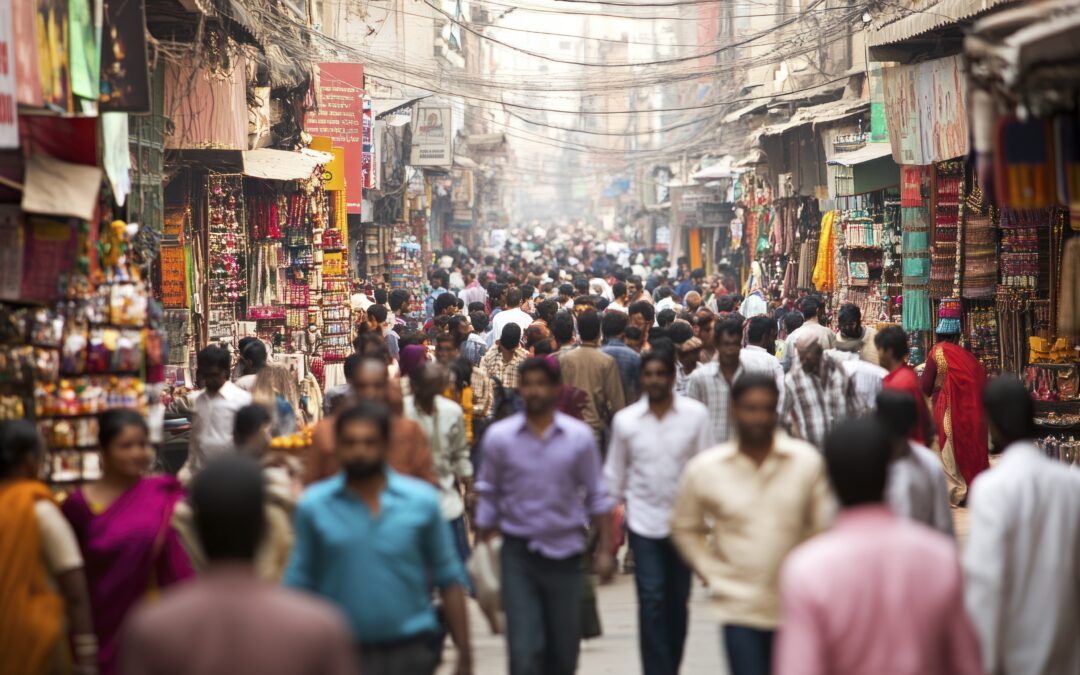
A lot has changed in the ecommerce landscape of India over the past couple of years. Online shopping demand, once driven by metros, is today increasingly powered by Tier-2 and Tier-3 cities. These are not only driving new customers but also changing consumer behavior, influencing product trends, and changing the way brands plan their ecommerce strategy.
1. What’s Fueling the Growth of Smaller Cities?
Non-metro e-commerce is rising, powered by an increase in technology adoption, payment confidence, and growing aspiration to match lifestyles enjoyed by their urban peers.
Smartphone + Internet Penetration
Affordable smartphones have driven digital access to almost every household across smaller towns. The globally low cost of mobile data in India has turned video consumption and online browsing into daily habits. Even first-time internet users are quickly adapting to ecommerce apps because interfaces are simpler than ever, and most platforms now support regional languages, making navigation feel natural.
Rise of UPI & Trust in Online Payments
UPI has completely changed the comfort level with digital transactions. The fear of complicated banking processes or card fraud is completely gone. Fast payments, smooth refunds, and attractive cashback rewards have helped increase the acceptance of it. Even regions that traditionally preferred Cash on Delivery are now shifting toward UPI and other digital modes.
Aspirational Shopping Behaviour
Consumers in smaller towns increasingly demand the same products, brands, and lifestyle choices that they see trending on social media. Influencers from Tier-2 and Tier-3 cities themselves have started creating relatable, home-grown content that motivates local buyers. Social trends are reaching these regions much faster than ever, thus fueling demand across new categories.
2. What Are People in Tier-2 & Tier-3 Cities Buying?
Online shopping behaviour outside metros is changing rapidly, with some categories growing much faster than expected.
Top Performing Categories
Affordable Fashion & Regional Wear: Economically-priced apparel brands and regional or ethnic wear do exceptionally well.
Beauty & Personal Care: Customers like to find products that are not available at a local store.
Home & Kitchen Essentials: Items like storage organizers, serveware, and modern cookware see steady demand.
Budget Electronics & Mobile Accessories: Orders are dominated by smartwatches, earphones, trimmers, chargers, and refurbished phones.
Small Home Appliances: The most in-demand are blenders, OTGs, induction cooktops, and room coolers.
Payment Trends
Cash on Delivery still accounts for a large share of orders but the usage of UPI is fast catching up—especially among younger shoppers. This shift toward digital payments is also helping reduce returns, delivery failures, and RTO rates.
3. Why Ecommerce Is Winning in Smaller Cities
Limited Local Variety
Offline stores in smaller towns often lack brand variety, trend-driven products, new launches, and niche categories. Ecommerce fills this gap instantly by offering access to an endless range of options.
Price Transparency and Discounts
Shoppers in Tier-2 and Tier-3 cities are extremely value-conscious. Online, they get the opportunity to know the best price, check reviews, and compare several things—a convenience that’s usually lacking when shopping in the local marketplace.
Social Commerce Boom
A surprisingly large share of first-time e-buyers starts their journey through familiar channels like WhatsApp catalogs, Instagram DMs, local micro-influencers, and platforms like Meesho. The personal, conversational nature of this experience makes digital buying feel comfortable and trustworthy for them.
4. How Brands Are Adapting to Tier-2 & Tier-3 Markets
Multilingual Content
Brands are now increasingly creating regional-language ads, local-language product descriptions, multilingual customer support, and even voice search options. This significantly reduces hesitation during the purchase process.
Micro-Influencer Marketing
Smaller creators provide local relevance, lower cost, and higher trust. Their recommendations seem much more genuine since they understand the community and communicate in the same cultural context.
Faster & Wider Logistics
Courier companies now deliver deeper into semi-urban belts, and delivery timelines have improved dramatically. Easy returns and replacements encourage repeat buying. Some brands are even opening micro-warehouses in Tier-2 cities to offer same-day delivery.
5. The Bigger Picture: Smaller Cities Are the New Growth Engine
Tier-2 and Tier-3 India drive the highest share of new digital shoppers today. This is a fast-growing audience which is highly engaged, value-driven, and willing to experiment with new brands. What India is witnessing is not just digital adoption; it is a lifestyle shift enabled by ecommerce. Brands that recognize the immense potential of these regions and build strategies to reach them will lead the next decade of ecommerce growth. The future is no longer limited to the metros; it is taking shape in Indore, Jaipur, Nagpur, Coimbatore, Kochi, Lucknow, Surat, Mysuru, and many other emerging markets.