
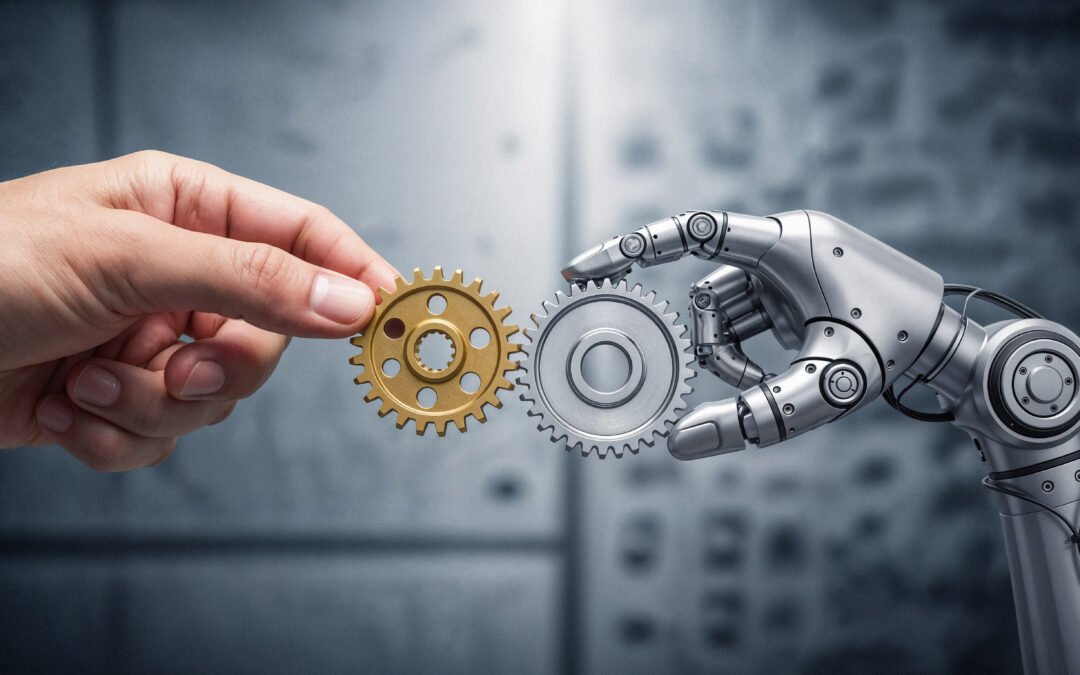
In 2025, the biggest breakthroughs in e-commerce will not come from ads, marketplaces, or viral content but through automation.
Not the buzzword kind.
The real, operational variety which actually changes the way a brand works behind the scenes.
Automation has quietly become the core of profitability, customer satisfaction, and scale.
That’s because, in an increasingly competitive world where margins will continue to shrink, brands that automate will grow, and those who don’t will be left behind.
Let’s break down why automation is becoming the backbone of modern-day e-commerce.
1. Manual Workflows Are No Longer Sustainable
E-commerce has become too fast, competitive, and customer-oriented for manual operations.
Five years ago, brands could manually:
- Update inventory
- process orders
- respond to support queries
- manage returns
- Optimize Ads
- track shipments
Today, doing all of this manually doesn’t just slow you down — it stops you from growing.
The brands scaling in 2025 are removing human dependency from the repeatable tasks of teams so they can focus on strategy and not operations.
2. Automation makes each order faster and error-free.
One delayed or wrongly shipped order can kill customer trust.
Automation reduces human errors across:
- order processing
- address validation
- warehouse picking
- dispatch timelines
- return workflows
Fewer errors = fewer cancellations = fewer RTO losses.
And faster, more accurate processes directly improve customer satisfaction without increasing staff costs.
3. Inventory Automation prevents stockouts and dead stock.
Inventory is where most e-commerce brands silently lose money.
Automation allows for:
- stock visibility
- low-stock alerts
- auto-reordering
- POS + marketplace syncing
- warehouse-level forecasting
This stops two major killers:
- Stockouts (lost sales) and
- Overstocking- dead capital.
In 2025, automated inventory is the biggest profitability lever in any D2C or marketplace-first brand.
4. Customer Support Automation = Faster Replies, Happier Customers
Customers expect instant responses — not “our team will get back to you”.
Automation does:
- 常见问题解答
- order-tracking queries
- returns status
- Refund Updates
- Common troubleshooting requests
AI chatbots + automated flows let brands solve 60–70% of the customer queries instantaneously.
Result?
Human agents handle genuine issues only — not “where is my order?” repeated 500 times a day.
5. Marketing Automation Keeps Revenue Flowing 24/7
Modern marketing is all about timing.
Automation makes sure you reach customers at the right moment, with the right message.
Smart automation handles:
- abandoned cart reminders
- price drop alerts
- win-back campaigns
- personalized product recommendations
- automated WhatsApp + email sequences
Instead of blasting messages to everyone, brands nowadays send personalized communication automatically, based on:
- purchasing behaviour
- browsing history
- engagement pattern
- product lifecycle
More relevance = more conversions without extra workload.
6. Automated Analytics = Real Decisions, Not Guesswork
Most brands have data.
Very few know how to use it.
Automation transforms raw data into actionable insights:
- which SKUs are profitable
- which ads are wasting money
- which customers are worth retaining
- what inventory to reorder
- what categories to drop
This reduces reliance on “gut feeling” and provides founders with a clear operational picture every single day.
7. Automation Lowers Costs While Increasing Output
The biggest advantage?
It reduces operation costs while maintaining performance.
Automation reduces cost by:
- minimizing manpower needs
- Reduce ordering mistakes
- cutting RTO losses
- optimizing inventory
- Improve ad efficiency
- speeding up dispatch
Two benefits of automation are immediately evident to brands that use it:
lower expenses + higher productivity — a rare combination in e-commerce.
8. Teams become more effective — not more exhausted
Automation isn’t about replacing people.
It’s about allowing teams to work on impactful tasks, not repetitive low-value work.
Your team stops doing:
- manual data entry
- repetitive customer responses
- an hourly inventory count
- updating order statuses
- Tracking shipments manually
Instead, they focus on:
- strategy
- Growth
- product development
- brand building
- customer experience
Happy teams → Happier customers → Better business outcomes.
9. Automation Makes Scaling Possible
A brand manually processing 50 orders a day can handle.
At 500 orders?
Operations break.
At 5,000 orders?
Chaos.
Automation guarantees consistency throughout all volumes:
- orders
- returns
- inventory bursts
- sale season spikes
- marketing flows
- customer inquiries
It gives brands the power to grow without drowning in backend work.
Conclusion: Automation Isn’t an Upgrade — It’s Your Foundation
By 2025, automation is not optional.
It’s the operating system of every successful e-commerce business.
It drives improvement across:
- speed
- accuracy
- customer experience
- profitability
- scalability
Your competitors can copy your ads, your product, even your pricing.
But they can’t replicate your automated systems and internal efficiencies.
Automation is the ultimate long-term advantage, and the brands building it today will be the ones dominating e-commerce tomorrow.