
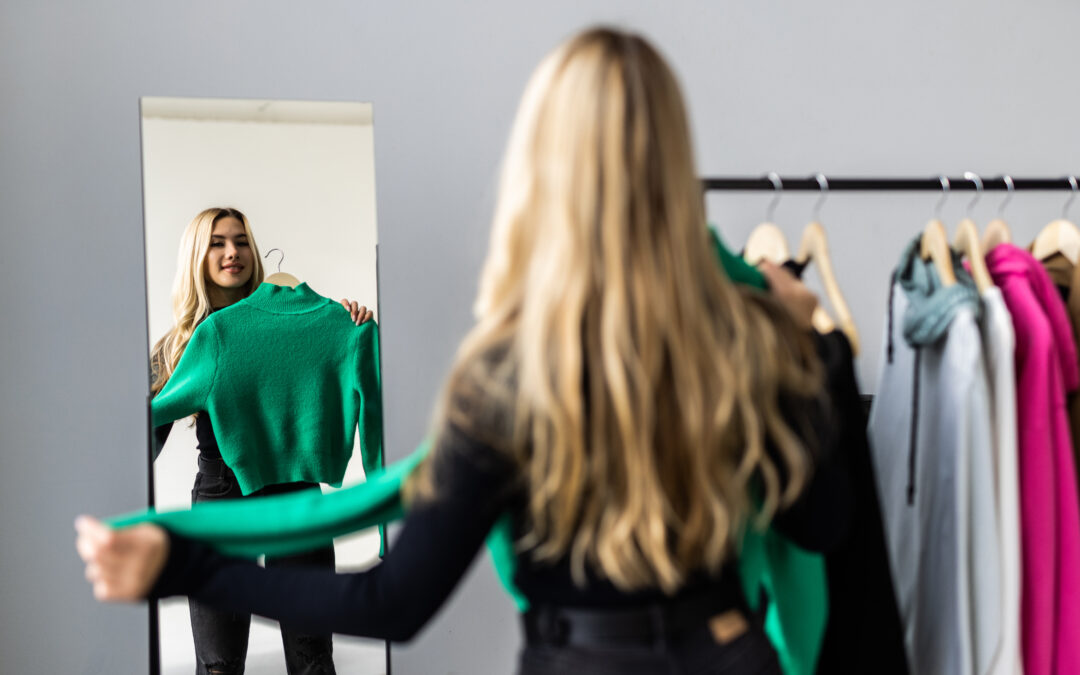
Online fashion shopping has always come with one big limitation: customers are unable to try out the product before they purchase it. This poses a challenge in fit, comfort, and confidence, apart from being very critical in categories such as apparel, footwear, and accessories. To break this, fashion ecommerce brands are increasingly adopting the Try Before You Buy model-a trend that is fast transforming customer expectations and buying behavior in India.
TBYB lets the user order products, try them out at home within a set period, return what they do not like, and only pay for what they keep. It recreates the offline trial room experience right at the customer’s doorstep.
Why Customers Are Loving TBYB
Shoppers enjoy the TBYB experience as it reduces their anxiety around online sizing and quality. Lots of hesitation disappears when buyers know there is no upfront commitment. This model particularly appeals to first-time fashion shoppers, many of whom come from Tier-2 and Tier-3 cities where trust in online platforms is still developing.
The following are some of the major reasons for its increasing popularity:
Reduced risk: Customers are not stressed by the possibility of wrong sizes or poor fitting.
Better product evaluation: People get to feel the fabric, see the real color, and understand the comfort level.
Convenience: trying items from home eliminates the need for visits to stores.
Instead of imagining how something is going to look, shoppers get to see it in real life paired with their own wardrobe.
The Impact on Brand Conversions
For e-commerce brands, the convenience of TBYB is not an added nicety; it impacts business metrics directly. Product exploration rises because customers would have no problem adding multiple items to their cart, knowing full well they can return whatever they don’t like. This further results in much higher checkout rates.
Brands also notice improved loyalty. Once a customer has successfully tried and kept an item, they are much more likely to trust the same platform again. Over time, this leads to better customer lifetime value.
Some of the biggest conversion benefits include:
- Higher Add-To-Cart Rates
- Reduce Checkout Drop-Offs
- Strong Repeat Purchases
- Better Understanding Of Customer Sizing Feedback
This helps brands improve their collections and overall fit consistency.
Where TBYB Works Best
Certain categories are just naturally going to see stronger results with TBYB. Apparel leads the way, because fit can vary hugely across brands. Footwear is another major category, because comfort and sizing can only be judged after walking around in the product.
Accessories also benefit from TBYB in that customers can evaluate:
- Weight
- Finish
- Size
- How It Pairs With Outfits
Premium products like festive wear, jackets, wedding outfits, and premium shoes have an even higher trial-to-purchase ratio because customers want to experience these items physically before paying a higher price.
The Challenges Brands Must Manage
But though TBYB improves customer satisfaction, it adds operational complexity: Returns happen more often, and brands have to inspect, clean, and restock items quickly so inventory doesn’t sit idle. Reverse logistics costs rise, especially if customers order many items just to try them.
Another challenge is misuse. Some customers may wear an item once and return it, or not return items on time. For managing this, brands are adopting:
- Stricter Return Windows
- Deposit-Based Trials For High-Value Items
- Automated Reminders
- Customer Behavior Profiling
Although these complications arise, the benefits associated with TBYB often outweigh them.
Why TBYB Will Continue to Grow
Customer expectations have changed dramatically: the modern online consumer seeks flexibility and equality, not strict purchase rules. TBYB fits into this new mindset perfectly and serves as a trust-building tool for ecommerce platforms.
At the same time, technology is strengthening this model. Many brands currently make use of:
- Ai-Based Size Recommendations
- Virtual Try-Ons
- Fit Prediction Tools
This reduces the chances of incorrect sizing even before the TBYB items reach the customer.
The Future of TBYB in India
The next phase of TBYB will expand into more categories like premium menswear, activewear, and baby clothing. Faster logistics and better return systems will make it easier for brands to adopt the model at scale. Finally, brands will use data in the future to identify the ideal products and which customers can have TBYB, making the system much more efficient.
Overall, Try Before You Buy is moving from a “premium feature” to a standard expectation in Indian fashion ecommerce. It empowers customers, boosts conversions, and builds stronger trust-a win-win for both sides.