
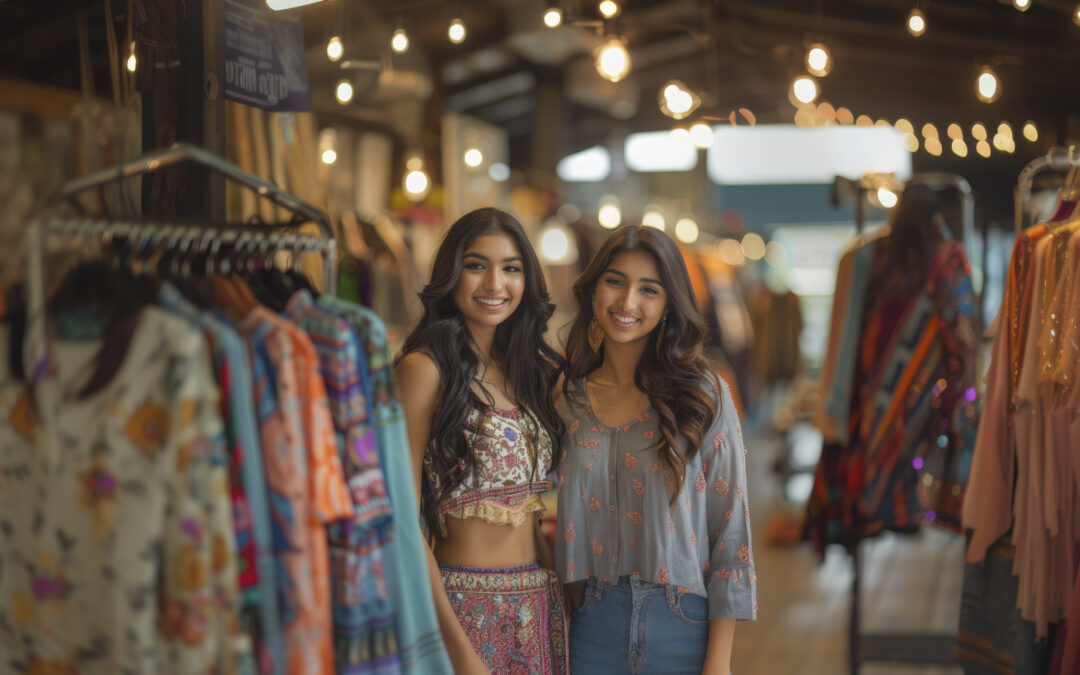
Fast-fashion marketplaces rapidly have become one of the biggest forces shaping India’s e-commerce landscape. That which started as a niche category built on inexpensive, trendy clothing morphed into a mainstream phenomenon that influenced the way millions browsed through, shopped, and defined their style. These platforms ushered in a new mindset among young shoppers — one that revolves around constant newness, trend-led discovery, and price-friendly experimentation.
1. Trend Cycles Have Accelerated Dramatically
Until a few years ago, fashion trends were seasonal and predictable. Nowadays, fast fashion marketplaces launch new styles every few days, while shrinking the time between the moment a trend goes viral on social media and when it appears in someone’s online shopping cart. That speed has changed consumer expectations in fundamental ways.
Now, platforms track Instagram and Pinterest, and even K-drama and influencer styling to predict what will click next. And customers have, in turn, grown accustomed to seeing fresh collections all the time. The traditional “summer collection vs. winter collection” has given way to micro-trends that last two to three weeks at best.
A few ways this affects ecommerce:
- Customers return more often to apps where they expect new arrivals.
- This forces all brands to accelerate their design and production cycles.
- Trend-based browsing has overtaken seasonal shopping.
2. Gen Z Is Driving the Change in Fashion Behaviour
Gen Z is the heartbeat of fast-fashion marketplaces. For them, fashion has less to do with longevity but more with identity, self-expression, and staying up to date. They don’t mind buying an outfit just for a weekend trip, a birthday reel, or a college event — as long as it’s stylish, affordable, and social-media worthy.
This generation also has no problem with finding and trusting new labels. Whereas older consumers purchase from brands they already know and love, members of Gen Z are known to buy from less popular sellers as long as the design is visually appealing to them. They believe in experimentation over brand loyalty, which works beautifully with fast fashion because of its rapid cycles.
3. Social-First Shopping Is Winning
A major reason fast fashion marketplaces have captured attention so fast is because they speak the language of social media. They don’t lean on catalog browsing in the same way. Instead, they replicate the sensation of scrolling through Instagram or TikTok: effortless, visual, and addictive.
Short styling videos, influencer try-ons, and curated edits like “Korean Streetwear” or “Airport Looks”, along with real-customer photos, help shoppers visualize how the outfits will look on them. This social-first approach turns browsing into entertainment and subtly encourages impulse purchases.
This shift has introduced new behaviour patterns:
- People browse fashion for fun, not just out of necessity.
- With enough influencers showcasing a trend, it can explode overnight.
- When customers see real people wearing the product, they are more confident to buy.
4. Pricing Has Been Redefined
Affordable pricing is at the heart of fast-fashion marketplaces. Items under ₹300–₹700 have become standard, pushing even established brands to rethink their pricing models. Today’s shoppers judge value differently: they don’t ask “How long will this last?” but rather “Is it worth using a few times?”
This shift has created a new category of “impulse fashion”, where customers buy quickly, wear briefly, and then move onto the next trend. This cycle benefits marketplaces but also puts pressure on brands to constantly innovate and keep prices competitive.
5. Rapid Manufacturing Is the Real Game Changer
Behind the gleaming displays of products, the real engine of fast fashion is an agile, hyper-responsive manufacturing network. Small units in Delhi, Surat, and Tiruppur can work a design into shape within days. This enables marketplaces to test micro-batches, scale only the winning designs, and avoid high inventory risks.
This “quick-response production” model ensures:
- Faster design-to-delivery timelines
- Lower wastage resulting from small initial quantities
- Even more style experimentation
- Local sourcing, which reduces logistics time
It’s an operational backbone that makes fast fashion marketplaces unbeatable regarding speed and variety.
6. Concerns Around Sustainability and Quality
While fast fashion has taken off at a remarkable pace, it does raise questions around quality and returns, and environmental impact. Invariably, the more inexpensive the garment, the shorter its life; high return rates mean high levels of logistical waste.
Some marketplaces have started responding through:
- Better quality checks
- Conscious or recycled-fabric collections
- Encouraging longer use through styling tips
- Highlighting “verified sellers”
Though these steps are early, they show awareness of the growing debate on sustainability.
Final Thoughts
Fast fashion marketplaces have permanently altered the cadence of online shopping in India. By providing social media-driven discovery, fast-moving trends, agile manufacturing, and attractive pricing, they have set new benchmarks for what customers expect from online fashion. Though still evolving, this model has influenced everything from product creation down to marketing and continues to reshape the ecommerce landscape. Be it celebrated or criticised, fast fashion marketplaces are undeniably one of the most powerful forces that will determine the future course of online shopping in India.